Each type of business has its approach, style, and techniques.
If you are looking to hire a photographer to document your project or building it can be important to know the difference between Architecture & Real Estate Photography.
If you've never worked with a professional photographer before, I put together this guide to help you choose the right photography style for your project.
Throughout the article, we’ll take a deep look into some points like the goals, process, on-site time, techniques, composition, editing, costs and budgets.
If you’d like to jump around to different sections, you can utilize the Table of Contents below.
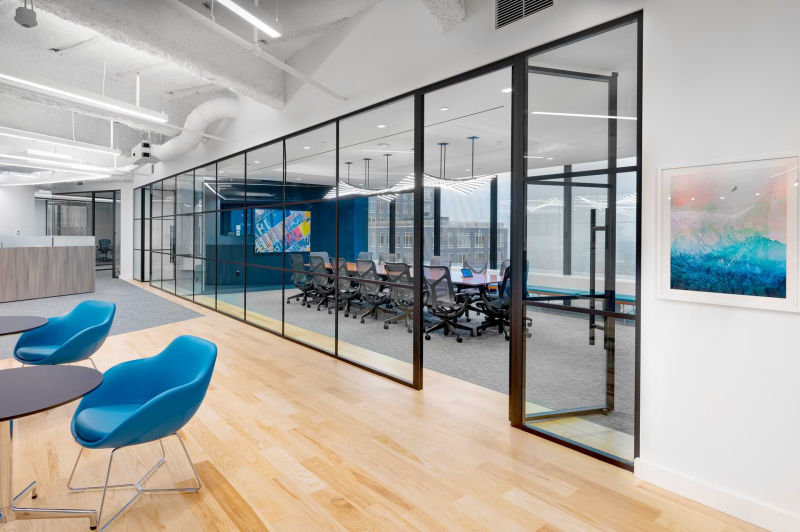
At first, architectural and real estate photography seem almost like the same thing – but once you compare them side by side, they can be easily distinguished from one another.
The time allocated for Real Estate photography and Architectural photography is different, the focus differs, the composition and angles differ, the use and integration of natural light, and the level of customization differs.
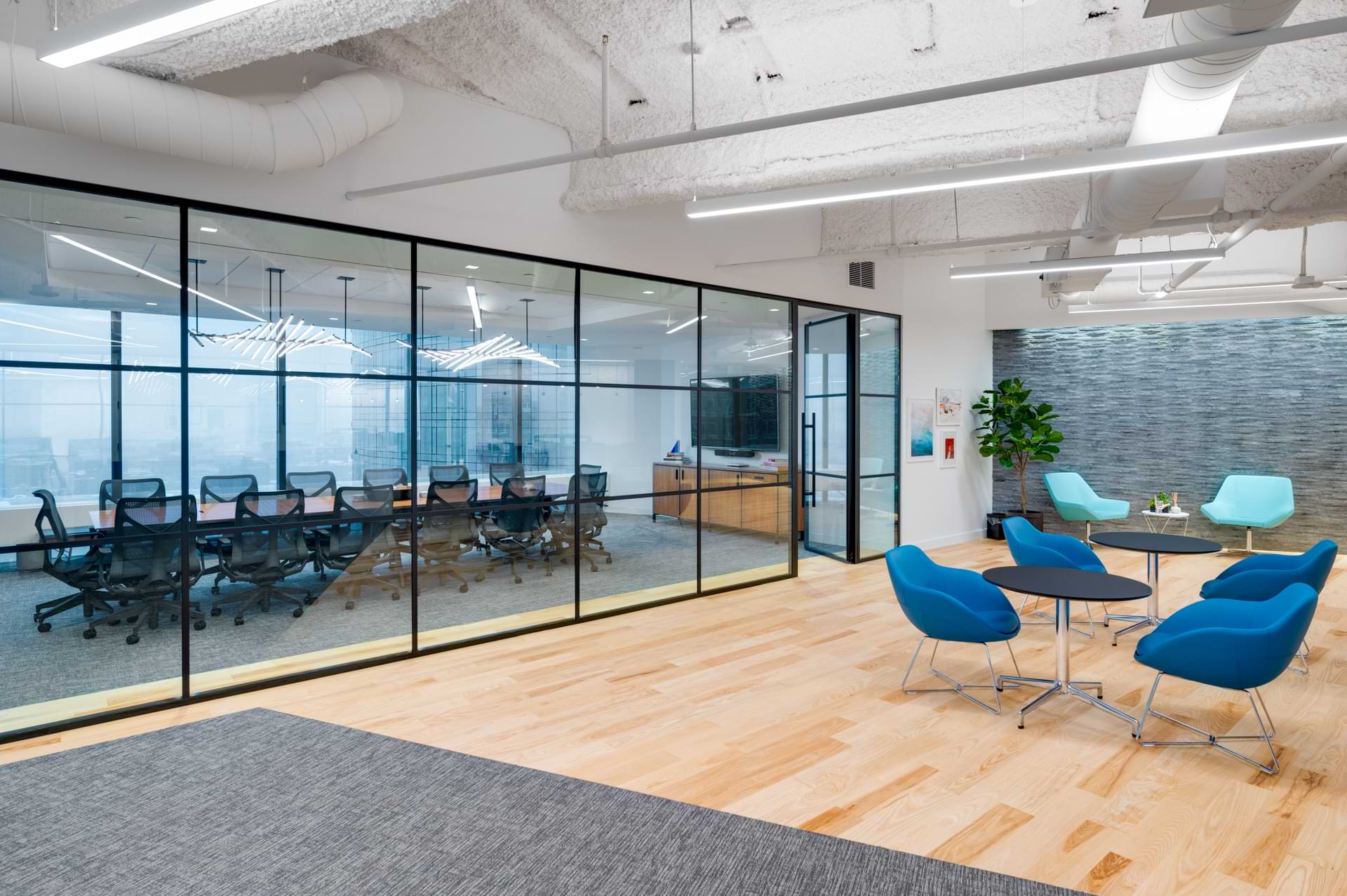
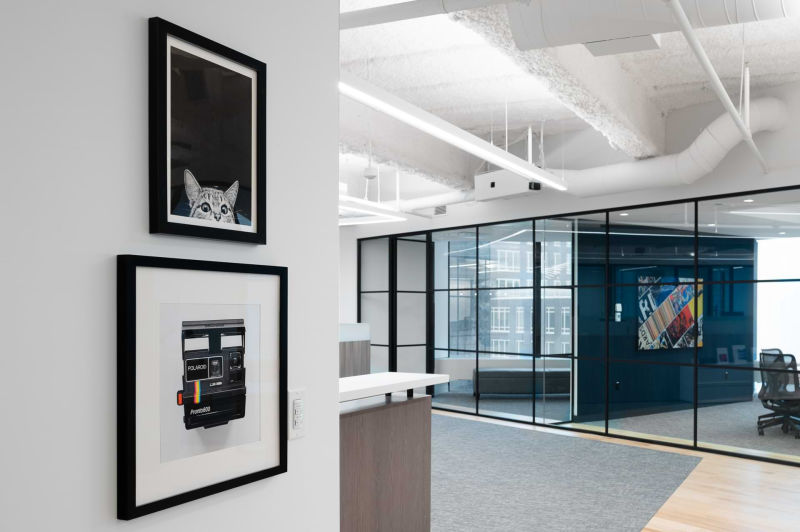
Architectural photography is focused on capturing the aesthetic and intention of a structure in the most interesting and unique way possible.
An architectural photographer makes pictures as pieces of an Artwork, not takes pictures.
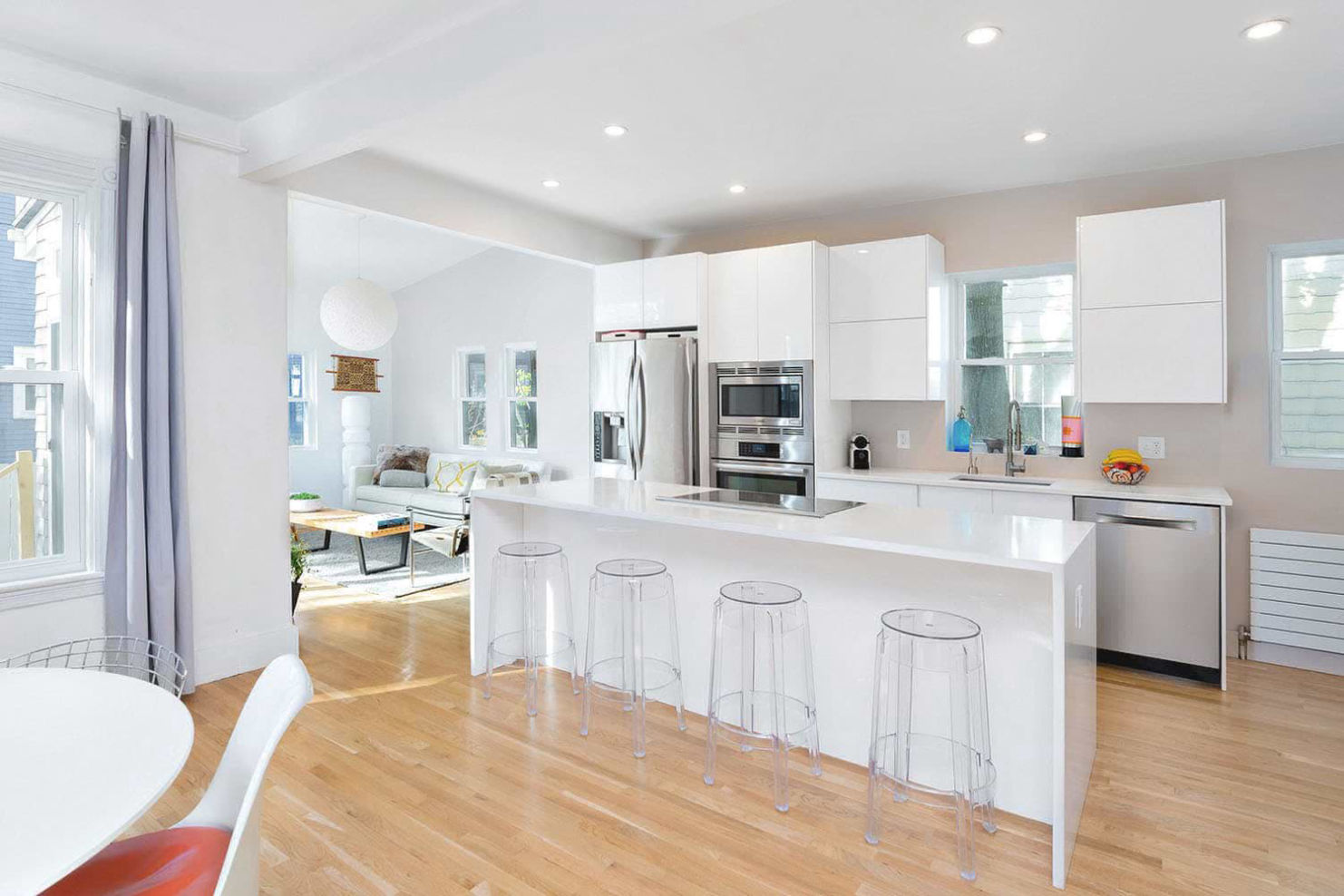
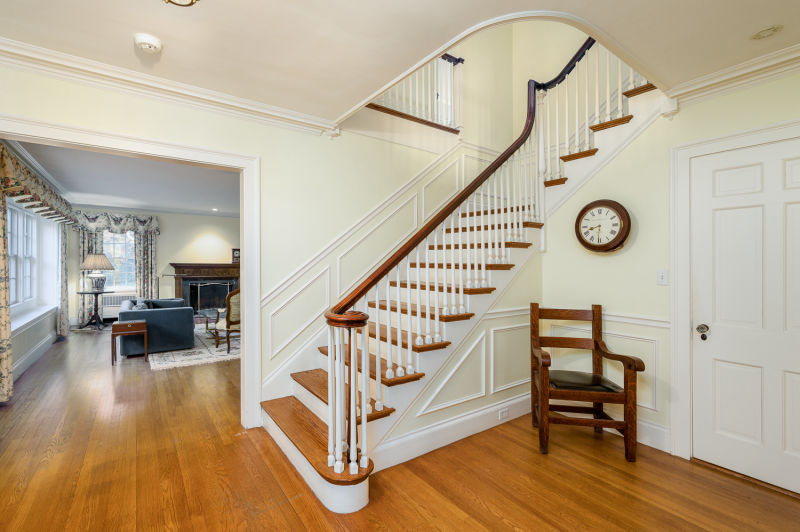
Real Estate photography is about capturing the details and nuances within the structure of a home.
The goal is to understand the flow between the rooms, make the house look bright, spacious and inviting.
Architecture photography is designed to showcase a stunning visual. In other words, the photographer is aiming to bring out the subtle details or frame a photo in a way that draws the viewer into the art. The photographer does not need to capture the entire space, but rather is aiming to convey a feeling or draw out an emotion.
The goal is to capture the story, mood, styling, history, and unique features of a property.
Real estate photography aims to showcase an entire property clearly and concisely. Real Estate photographers dedicate themselves to capturing the most information that a potential home buyer may need when evaluating a property.
The goal is to show rooms and spaces in their entirety. The photographer is basically taking the potential buyer on a tour through the home, via photos.
Architecture Photography is used by various industries: architects, builders, interior designers, hospitality, residential, healthcare, and commercial applications.
These photographs will be used in magazines, brochures, websites, billboards, advertising and posters.
These photographs will last and be used for years.
Real Estate photography is designed to sell a house. It is used by real estate agents to show the space to future buyers and investors.
These photographs will be used in MLS, print, marketing campaigns, flyers, websites, and social media.
Real Estate photos have a short life cycle, just for the purpose of selling the property (sometimes a few days, generally few weeks to few months).
In general terms, a photograph license typically consists of non-exclusive, unlimited, and perpetual rights to use the content in marketing your brand and services in digital and print mediums (not including print advertisements). This may include websites, social media, etc..
These rights are linked to the lifespan of the listing, as long as you have the listing.
If you no longer have the listing, you are giving up the rights to use the Products.
| Steps | Architecture Photography | Real Estate Photography |
|---|---|---|
| Pre-production / Planning: | ||
| Define your business needs | ||
| Understand copyright / licensing (cf FAQ) | ||
| Choose the best time of the day (sun tracking) | ||
| Choose a rain date (if outdoor photography) | ||
| Scout the location | ||
| Create a Pre-Shoot Brief (document that contains all the information about the shoot: location, date, time, what will be photographed, and who will be present at the shoot) | ||
| Create a preliminary shot list | ||
| On-site: | ||
| Set of multiple exposures: ambient and flash photos | ||
| Set of multiple exposures: ambient photos only | ||
| Include people in photos | ||
| Duration: Full day (or half day for small project) | ||
| Duration: Between 1h and 2h | ||
| Post Shoot: | ||
| Proof list to choose the final photos | ||
| Extensive editing. Photos ready in 1 or 2 weeks. | ||
| Quick editing. Photos ready in 24h/48h |
- Architectural photography takes much longer than real estate as it can take 4-12 hours on-site to even multiple days to capture a handful of photos.
- Instead of trying to capture as many photos of the property, the photographer will take their time to get the best lighting and composition for the given space.
- This involves a lot of planning as there will be additional staging, adjustments, and lighting needed to perfect the photo.
- Real estate photography is much more time-sensitive, as real estate agents usually can’t spend much time on-site with the average time being around 1 – 2 hours.
- Editing is also on a tight timeline as real estate agents will want their listing up and running within 12 hours – 24 hours.
The speed required for the entire process is one of the major factors for why quality isn’t a match to architectural photography.
| Techniques & Equipment | Architecture Photography | Real Estate Photography |
|---|---|---|
| Techniques: | ||
| High Dynamic Range Photography (HDR) | ||
| Flambient technique (Blending ambient & flash photos) | ||
| Equipment: | ||
| Camera, remote | ||
| Tilt and shift Lens (Perspective corrected lens) | ||
| Tethering shooting (Ipad, laptop) | ||
| Heavy tripod | ||
| Small on camera flash | ||
| Medium wireless flash (200w) | ||
| Large wireless flash (600w) | ||
| Light stands | ||
| Light modifier (Umbrella, softbox, reflectors) |
Composition is one of, if not the most important topic to understand as a photographer
Editing is as important as the shooting itself. Editing techniques make the photo appealing to the viewer by creating moods, drawing attention to the subject, etc...
| Editing | Architecture Photography | Real Estate Photography |
|---|---|---|
| Techniques: | ||
| Proof list (before the final editing) to choose the final photos | ||
| Manual blending of ambient & flash shots | ||
| Extensive editing. Photos ready in 1 or 2 weeks. | ||
| Automatic blending of ambient shots | ||
| Quick editing. Photos ready in 24h/48h | ||
| Expect 10-15 photos for half-day / 20-30 photos for a full day | ||
| Expect 30-40 photos depending of the house square footage |
You can expect to pay anywhere from several hundred dollars to well over several thousand dollars per day for an experienced architectural photographer.
Architecture photography is far more detailed, resulting in significantly higher quality photos that have the potential to be presented for a lifetime but come at the cost of higher price and longer time-onsite.
The cost is driven by the time allowed for the project (scouting, full day, extensive editing) and the absolute best quality of work with a focus on all the meticulous details.
If you’re a commercial business, architect, designer, developer, or builder, I’d highly recommend utilizing a professional architectural photographer.
Give the viewers an accurate representation of the space and how it functionally interacts with other rooms is the priority. Having the absolute best quality of work is not a necessity.
This in turn allows photographers to lower costs to account for quality standards and turnaround time.
If you’re a homeowner, real estate agent, stager, or even Airbnb host, It’ll be cost-effective to use a Real Estate Photographer.
If you’re looking for photographs that only need to showcase a home or commercial building and its surroundings, if your budget and time are limited then real estate photography may be all you need.
Architectural photography, on the other hand, is focused on capturing the distinct character, aesthetic, intention and art of a structure in the most interesting and unique way possible.
If you are in the Greater Boston Area and would like to work with us on your next architecture, interior design, or custom home project, contact us by following the link below!